A very inclusive type of cuisine
Umbrian cooking is wonderfully inclusive. It celebrates vegetables and grains just as much as it honors its centuries-old mastery of meat curing—so refined that it gave the Italian language the word norcineria, derived from the butchers of Norcia.
The cuisine is rooted in simplicity, seasonality, and deep respect for ingredients.
Here is the Legendary Umbrian pantry
Extra-Virgin Olive Oil (DOP)
A point of true pride. Revered for its purity and character, Umbria has a "Fascia Olivata" (Olive Belt): a 40-kilometer stretch between Assisi and Spoleto that features over 1.5 million trees, boasting a thousand-year-old agricultural tradition and strict Quality Control: In 1998, Umbria was the first Italian region to receive the prestigious Protected Designation of Origin status (DOP) for its entire territory, ensuring strict compliance with production standards. The region has 4 cultivars, Moraiolo, Leccino, Frantoio and the rare Dolce Agogia, found only in Umbria and produced in very limited quantities.
Legumes and Grains
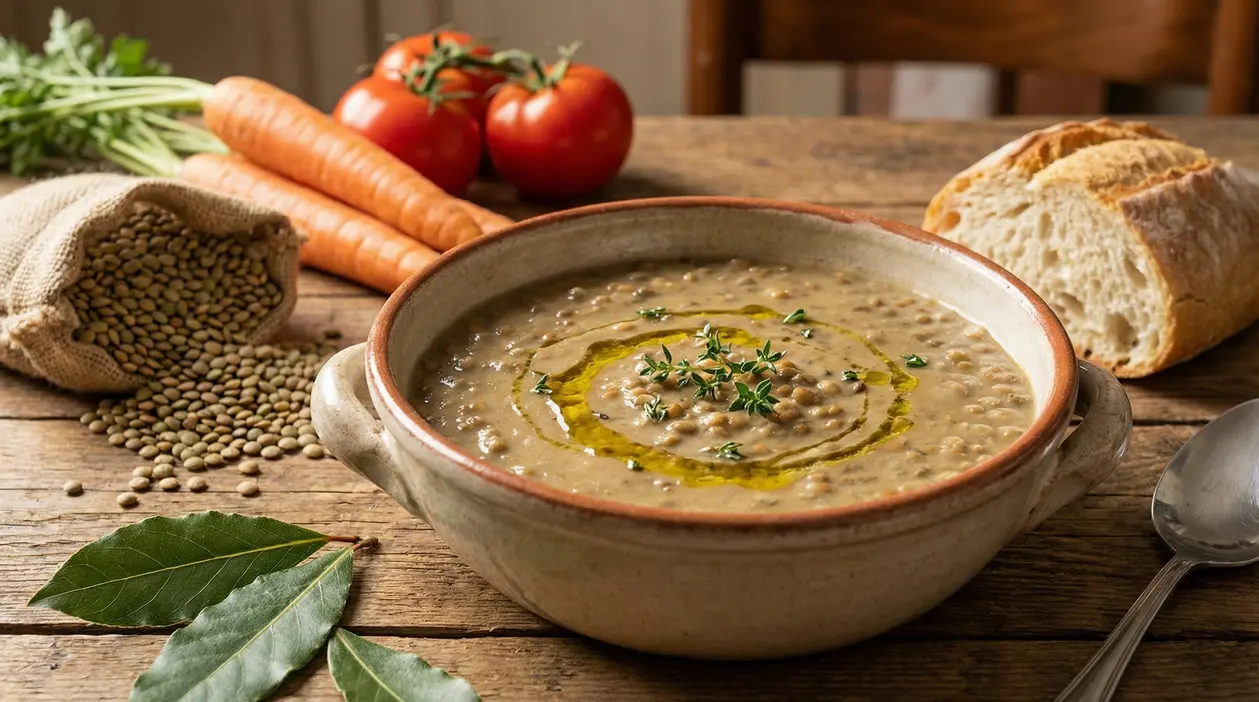
The north-eastern areas of Umbria yield some of Italy’s finest legumes and cereals: Lentils, Farro, and rare local beans such as Fagiolina del Trasimeno, Cicerchia dell’Altopiano di Colfiorito, Risina di Spello. Cultivated since Roman times and many protected by DOP or traditional designations, they are the foundation of extraordinary soups—nutrient-rich, protein-dense.
Wild Mushrooms (Funghi)
Umbria is one of Italy’s premier foraging regions. From late summer through autumn, its forests—covering the 35% of the territory—are alive with mushroom hunters. More than 120 species of basidiomycetes and ascomycetes, including both popular edible and rare types, thrive here thanks to limestone soils and a temperate climate. Porcini reign supreme, alongside Ovoli, Prugnoli, Sanguinosi, Pioppini, and Turini, all central to local cooking.
Black Truffles (Tartufi)
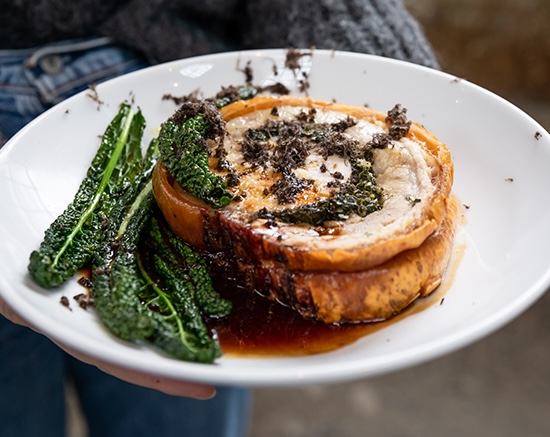
Often called the black diamond of the kitchen, Umbrian truffles are protected as Prodotto Agroalimentare Tradizionale (PAT) and are a cornerstone of regional gastronomy. Umbria is among Italy’s top producers, offering both black and white varieties throughout the year. Black truffles grow underground near the roots of oaks, hazelnuts, poplars, and lindens. Here, recipes are few and restrained—designed to honor the truffle’s aroma rather than turn it into just a symbol of luxury.
Cheeses
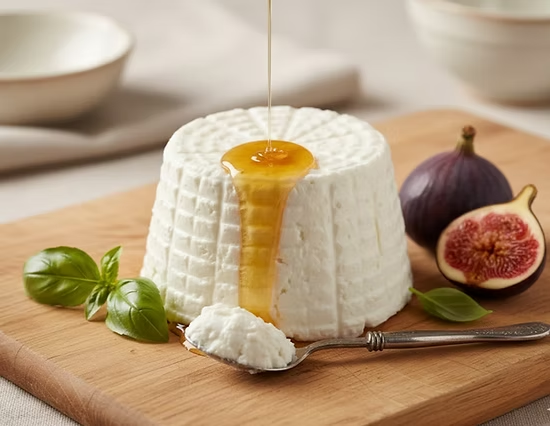
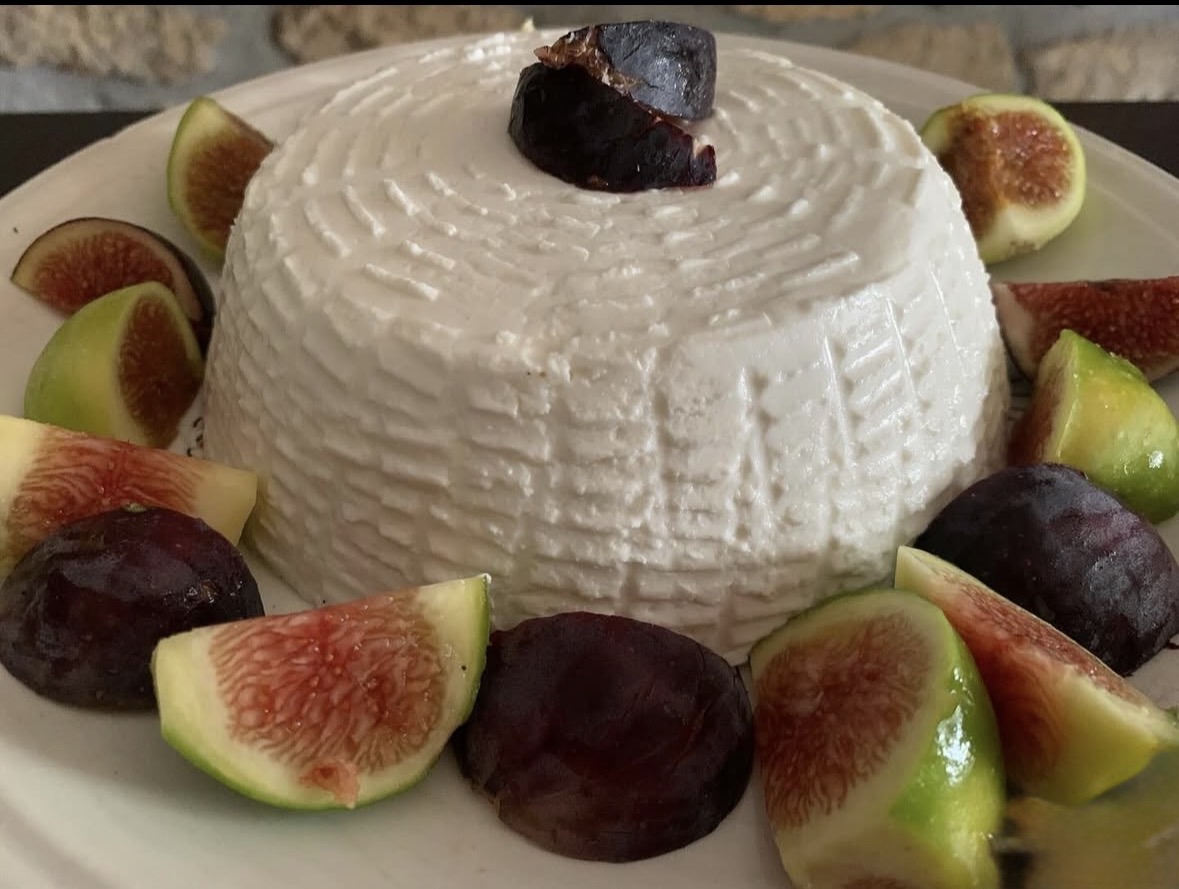
Open meadows and free-grazing flocks give rise to exceptional cheeses: aged Pecorino matured in earth (Pecorino di Fossa) or wood (Pecorino di Botte) or cave (Pecorino di Fossa), Caciotta, and fresh, delicate Ricotta that can be made with milk from cows, sheep or goats. Several shepherd families originally from Sardinia settled in Umbria’s remote mountains, bringing with them ancient pastoral knowledge that still defines the region’s cheesemaking today.
Wild Greens and Foraged Herbs
Hand-picked salads and erbe da cuocere are a cornerstone of rustic Umbrian cuisine. These wild greens—gathered in the countryside or found in local markets—are typically simmered, sautéed, or folded into soups, and often served on their own or inside rustic flatbreads. Simple, nourishing, and profoundly tied to the land.
Meats and Norcineria
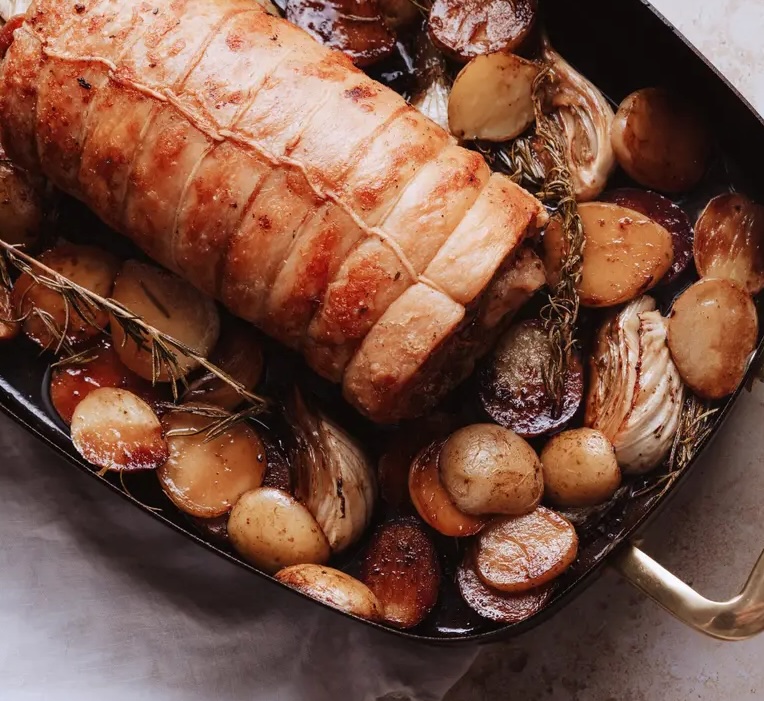
As mentioned, Umbria’s identity is inseparable from pork butchery. From prosciutto and guanciale to porchetta and sausages—fresh, dried, or soft and spreadable—these products are still prepared using time-honored, nitrate-free methods perfected since the Middle Ages.
Pastry
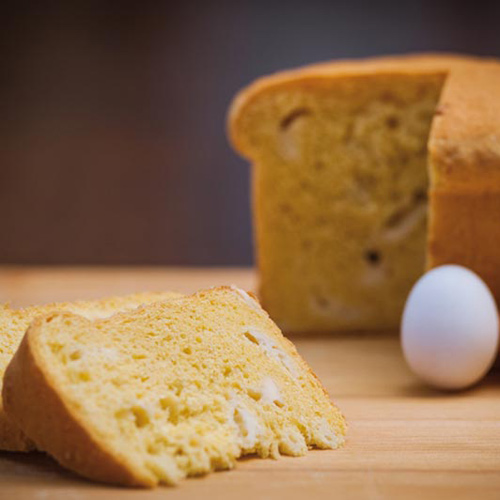
The sweet side of Umbria is equally compelling. Traditional pastries and rustic cakes—spiraled, spiced, honeyed, or nut-filled—follow family recipes tied to celebrations and ritual moments. Desserts are never merely cakes, but small works of art: Ciaramicola, Torciglione, Rocciata.
In Umbria, food is never just food but memory, landscape, and community—an invitation to slow down, taste deeply, and feel at home.