Umbria’s gentle revolutions: Benedict and Francis
Umbria was the birthplace of two profound movements of religious renewal that shaped medieval Europe: those inspired by Saint Benedict of Norcia and Saint Francis of Assisi, founders of two of Christianity’s most influential orders still existing.
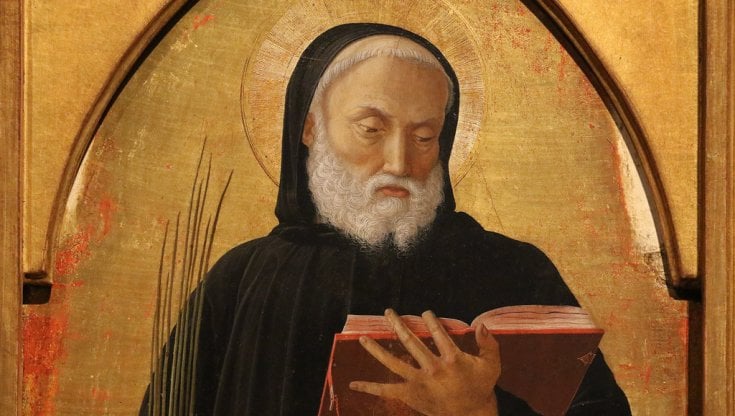
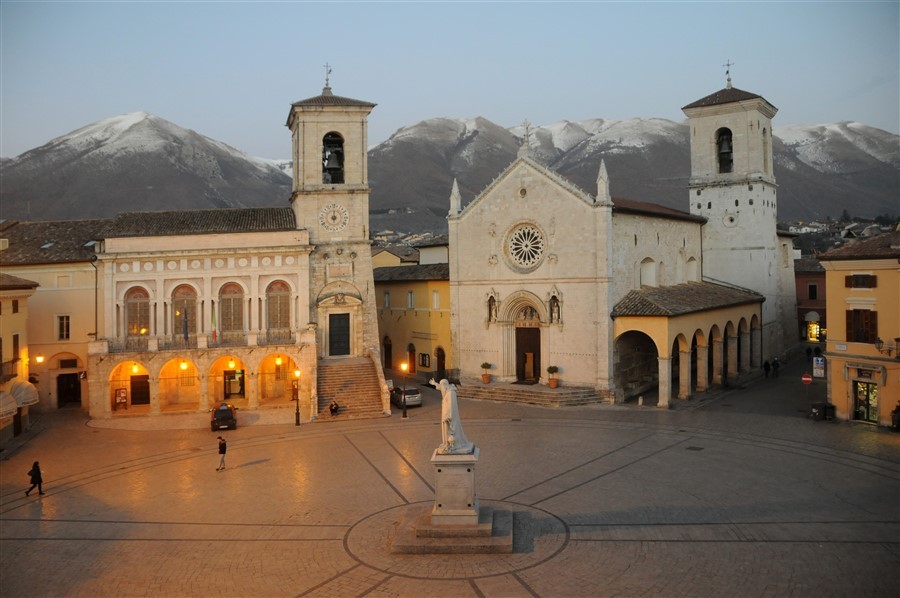
Born around 480 After Christ into a noble family in Norcia, Benedict lived during the violent collapse of the Western Roman Empire. Umbria, scarred by Gothic wars and political instability under Ostrogothic rule, was a land in turmoil. Amid this chaos, monasteries became islands of stability, preserving learning, agriculture, and classical culture. Disillusioned by the moral decay of Rome, Benedict withdrew into solitude, eventually shaping the Rule of Saint Benedict—a vision of balanced, self-sustaining communities grounded in work, prayer, and order.
Several centuries later, Umbria gave rise to an even more radical spiritual transformation through Francis of Assisi (1181-1226) whose legacy is commemorated this year on the 800th anniversary of his death. Born into a wealthy merchant family, Francis renounced privilege to embrace absolute poverty and compassion. His “barefoot revolution” rejected hierarchy and materialism, preaching instead fraternity with all creation. By speaking in the vernacular and composing spiritual poetry in the Umbrian tongue, Francis affirmed that the language of everyday life was worthy of addressing the divine.
Francis’s vision reshaped not only faith but also art. In the Basilica of San Francesco d'Assisi, artist such as Giotto broke with Byzantine rigidity, introducing a new, emotionally expressive realism. This shift, emerging between the late 13th and early 14th centuries, marks the birth of modern Western painting, modern art.
If Benedictine life offers structure, continuity, and inner order, Franciscan life offers openness, compassion, and joyful humility. Together, they remain not relics of the Middle Ages, but living spiritual paths—quietly shaping religious life, culture, and even contemporary ideas of sustainability and community.
We can definitely say that Umbria’s spiritual heritage remains visible in its landscape of abbeys, sanctuaries, fortresses, and castles that once safeguarded both territory and souls. Beyond their historical significance, these sites fostered a deeply rooted culture of hospitality. Medieval pilgrimage routes gave rise to hospitals and shelters for travelers—many managed not only by religious communities but also by chivalric orders such as the Templars and the Knights of the Holy Sepulchre. Restored today, these buildings still testify to Umbria’s enduring tradition of welcome.